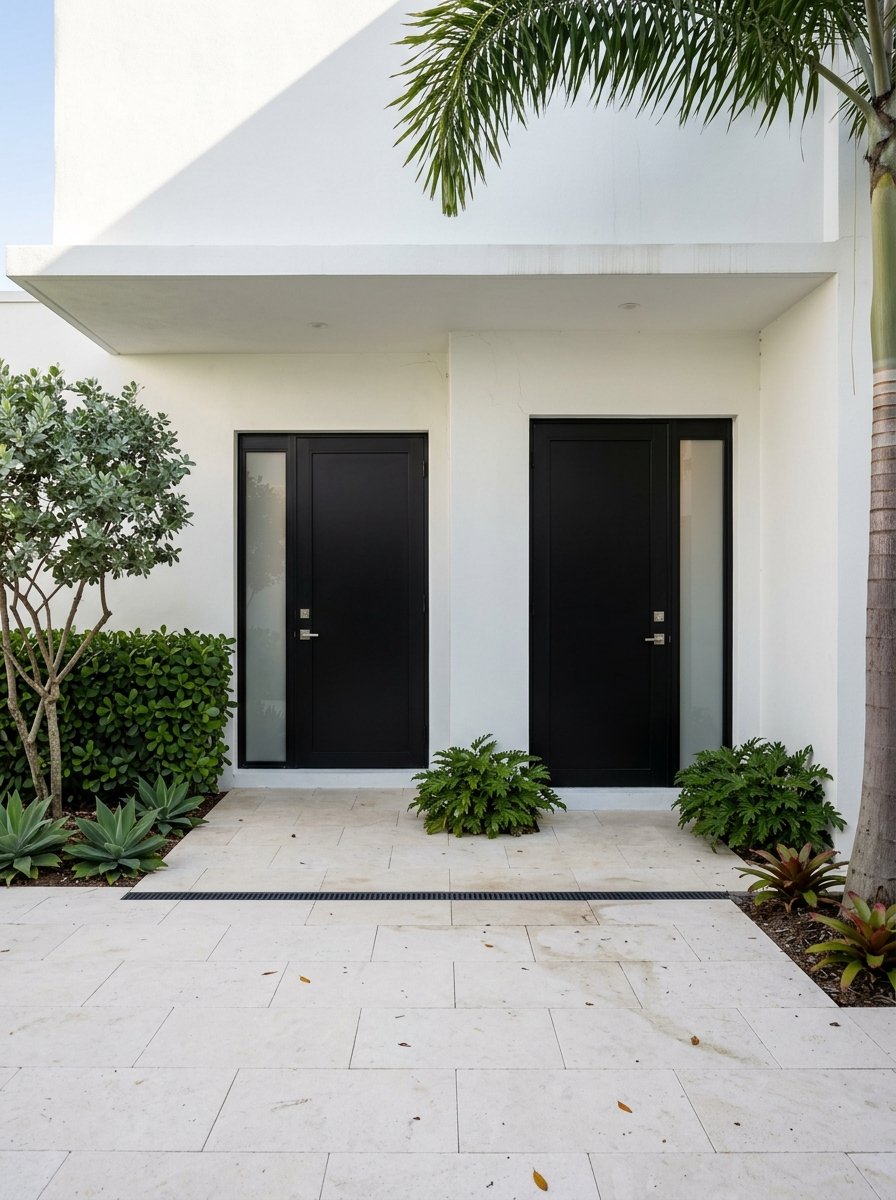
Thinking about buying a rental property in Palm City? It can be an appealing market, but it is not the kind of place where a simple plug-and-play strategy always works. If you want to invest wisely, you need to understand Palm City’s higher price point, seasonal demand, and the local rules that can shape how you lease and operate a property. Let’s dive in.
Why Palm City draws investor interest
Palm City is a relatively small market in Martin County with 26,371 residents and 10,354 households, according to U.S. Census QuickFacts. It also has a high owner-occupied housing rate of 89.7%, which points to a market with a strong base of primary homeowners rather than a large renter-heavy housing stock.
That matters if you are comparing Palm City to lower-cost areas nearby. Census data shows a median owner-occupied home value of $563,400 in Palm City, which is notably higher than the broader Port St. Lucie metro area at $364,900 and Florida overall at $359,000. In practical terms, you are usually buying into a higher-value market where property quality, lease structure, and exit potential matter just as much as acquisition price.
Palm City also trends older and more settled than many Florida markets. The median age is 52.1, and 28.9% of residents are age 65 or older. For investors, that supports a market profile that may appeal to retirees, downsizers, commuting professionals, and some seasonal residents.
What kinds of rentals fit Palm City
Palm City is best understood as a primarily suburban single-family market with some attached and multifamily pockets. Martin County redevelopment materials for Old Palm City describe a mix that includes modest single-family homes, scattered multifamily dwellings, higher-cost homes along the St. Lucie River, and newer planned-unit developments outside the older core.
If you are shopping for an investment property, that means your options may vary a lot by location and housing type. One property may fit a long-term tenant well, while another may be better suited to a seasonal resident looking for a winter stay.
Single-family homes lead the mix
Because owner occupancy is so high, single-family homes are a major part of the local housing picture. That can make Palm City attractive if you prefer a property type that often appeals to longer-stay tenants or future resale buyers.
This also means you should not approach Palm City like a dense vacation-rental corridor. In many cases, success here depends more on matching the right property to the right renter profile than on maximizing booking volume alone.
Seasonal and long-term renters differ
Demographic indicators suggest a relatively stable resident base. Census data shows 89.8% of residents lived in the same house one year earlier, and 47.6% of adults hold a bachelor’s degree or higher.
Those facts do not determine demand on their own, but they do support a more measured approach to rental strategy. Depending on the property, you may be serving long-term residents, retirees, professionals, or a smaller seasonal renter pool rather than a constant stream of short-stay guests.
How seasonality affects Palm City rentals
If you are considering a seasonal rental, timing matters. Martin County’s 2025 population technical bulletin shows the county has traditionally experienced stronger hotel and motel activity for five months out of the year and uses those highest months in peak-season planning.
County programming supports that same pattern. Martin County’s Winter Player Program runs from November 1 through April 30, and seasonal beach fire allowances at Stuart Beach run from November 1 through February 28. Together, those timelines point to stronger visitor activity in winter and early spring.
What this means for your strategy
For many investors, Palm City may work best as either:
- A longer-term rental in a stable suburban setting
- A seasonal rental aimed at winter demand
- A flexible property held for personal use plus selective leasing
Each path has tradeoffs. A winter-focused strategy may offer stronger demand during peak months, but it can also mean tighter turnovers, more hands-on scheduling, and greater attention to compliance.
A longer lease may offer more predictable occupancy and simpler operations. The tradeoff is that you may give up some of the upside tied to the seasonal market.
Know the lease-length rules first
In Palm City and the rest of Florida, lease length is one of the most important lines for rental owners. Florida DBPR defines a transient public lodging establishment as one rented more than three times in a calendar year for periods of less than 30 consecutive days, or one advertised or held out as regularly rented for less than 30 days.
That definition matters because it can affect how your property is regulated. It also means your advertising and booking pattern can matter, not just the number of nights in a single stay.
The six-month tax threshold matters too
Florida’s Department of Revenue says rentals or leases of accommodations for six months or less can be subject to state sales tax, discretionary surtax, and any applicable county transient rental tax. In Martin County, the Tourist Development Tax is 5% on rentals or transient lodging of six months or less, and the county says that tax applies in addition to Florida sales tax.
Martin County also states that owners using platforms such as Airbnb or VRBO must still collect and remit the 5% county tax themselves because no collection agreement exists with those platforms. If you are planning to market a seasonal rental online, this is not a detail to overlook.
Longer leases are treated differently
Martin County’s tax collector states that a bona fide written lease in excess of six months is exempt from the tourist tax. So if you are comparing a true seasonal setup with a seven-month or annual lease, the tax treatment can be very different.
This is one reason investors should think through lease structure before they buy. A property that looks attractive for winter use may require a more active compliance plan than one leased on a longer written term.
Compliance steps investors should plan for
If your rental activity is operated as a business in unincorporated Martin County, the county requires a Business Tax Receipt. According to Martin County, the process includes zoning review, a fire-prevention inspection, and then issuance through the tax collector.
The county tax collector also says anyone providing merchandise or services to the public, including many home-based businesses, needs a local business tax receipt before operating. For investors, this means it is smart to confirm your setup early rather than after you begin marketing the property.
Renovations may require permits
If you are renovating or converting a property for rental use, Martin County says many common projects require permits. That includes items such as additions, decks, fences and pool barriers, HVAC work, hurricane shutters, reroofing, and many kitchen or bathroom remodels.
This can affect your budget and timeline, especially if you are buying a property that needs updates before it is ready to lease. Permit planning is not just about avoiding delays. It can also support smoother operations and resale later.
Insurance and storm planning matter
Martin County advises homeowners to discuss separate flood insurance coverage with an agent. In a market like Palm City, where weather and water exposure can influence both ownership costs and preparedness, insurance planning should be part of your investment review from day one.
If you plan to lease seasonally, storm readiness can also affect guest experience, maintenance coordination, and downtime between stays. It is worth treating this as part of your operating plan, not an afterthought.
When local management adds value
A local property manager can be especially useful in Palm City if they can handle more than tenant communication. The most helpful support often includes lease execution, turnover scheduling, inspections, vendor coordination, storm-readiness planning, and help navigating local compliance steps.
That is especially important because Martin County expects transient-rental owners to self-remit the county tourist tax when using third-party booking platforms. Administrative mistakes can be costly, and they are often easier to prevent than to fix.
Questions to ask before hiring help
If you are interviewing a property manager or rental partner, ask whether they understand:
- The less-than-30-day transient lodging threshold
- The six-month tourist-tax threshold
- Business Tax Receipt requirements in unincorporated Martin County
- Permit implications for upgrades and repairs
- Turnover and maintenance planning during peak season
In Palm City, some of the biggest risks are administrative. Missing a tax obligation, using the wrong lease structure, or starting work without the right permit can create problems that have nothing to do with tenant demand.
Is Palm City a good fit for your goals?
Palm City may be a strong match if you want a higher-end suburban market with winter seasonal demand and a homeowner-heavy setting. It is less likely to suit investors who want the cheapest entry point or a simple high-volume short-stay model.
The best opportunities here often come from buying the right property, choosing the right lease strategy, and setting up the business side correctly from the start. If you take that approach, Palm City can offer a more stable and targeted investment story than many lower-cost alternatives.
If you want help evaluating Palm City investment property, seasonal rental opportunities, or lease-ready homes in the area, connect with Michael Downey for practical guidance and local market insight.
FAQs
What makes Palm City different for investment property buyers?
- Palm City is a higher-value, primarily owner-occupied market with a median owner-occupied home value of $563,400 and an owner-occupied rate of 89.7%, so investors often need to focus on property fit, lease strategy, and long-term hold quality.
When is seasonal rental demand strongest in Palm City?
- Martin County planning materials point to a five-month peak season, and county programs align with stronger visitor activity from November through April, which supports a winter and early spring seasonal pattern.
How are short-term rentals defined in Palm City, Florida?
- Florida DBPR says a transient public lodging establishment includes rentals made more than three times in a calendar year for periods of less than 30 consecutive days, or properties advertised as regularly rented for less than 30 days.
Do Palm City seasonal rentals owe tourist tax?
- In Martin County, rentals or transient lodging of six months or less are subject to the 5% Tourist Development Tax, and the county says this applies in addition to Florida sales tax.
Do Airbnb or VRBO hosts in Martin County collect county tourist tax?
- Yes. Martin County says owners using platforms such as Airbnb or VRBO must still collect and remit the 5% county tourist tax themselves because no collection agreement exists with those platforms.
Are longer Palm City leases taxed the same as seasonal rentals?
- No. Martin County states that a bona fide written lease in excess of six months is exempt from the tourist tax, which makes lease structure an important planning decision for investors.
Do you need permits to renovate a Palm City rental property?
- Often, yes. Martin County says permits may be required for many common projects, including additions, decks, fences and pool barriers, HVAC work, hurricane shutters, reroofing, and many kitchen or bathroom remodels.
Should Palm City rental owners consider local property management?
- Local management can be helpful if you want support with compliance, leasing, turnovers, inspections, vendor scheduling, and storm-readiness planning, especially in a seasonal and regulation-sensitive market.